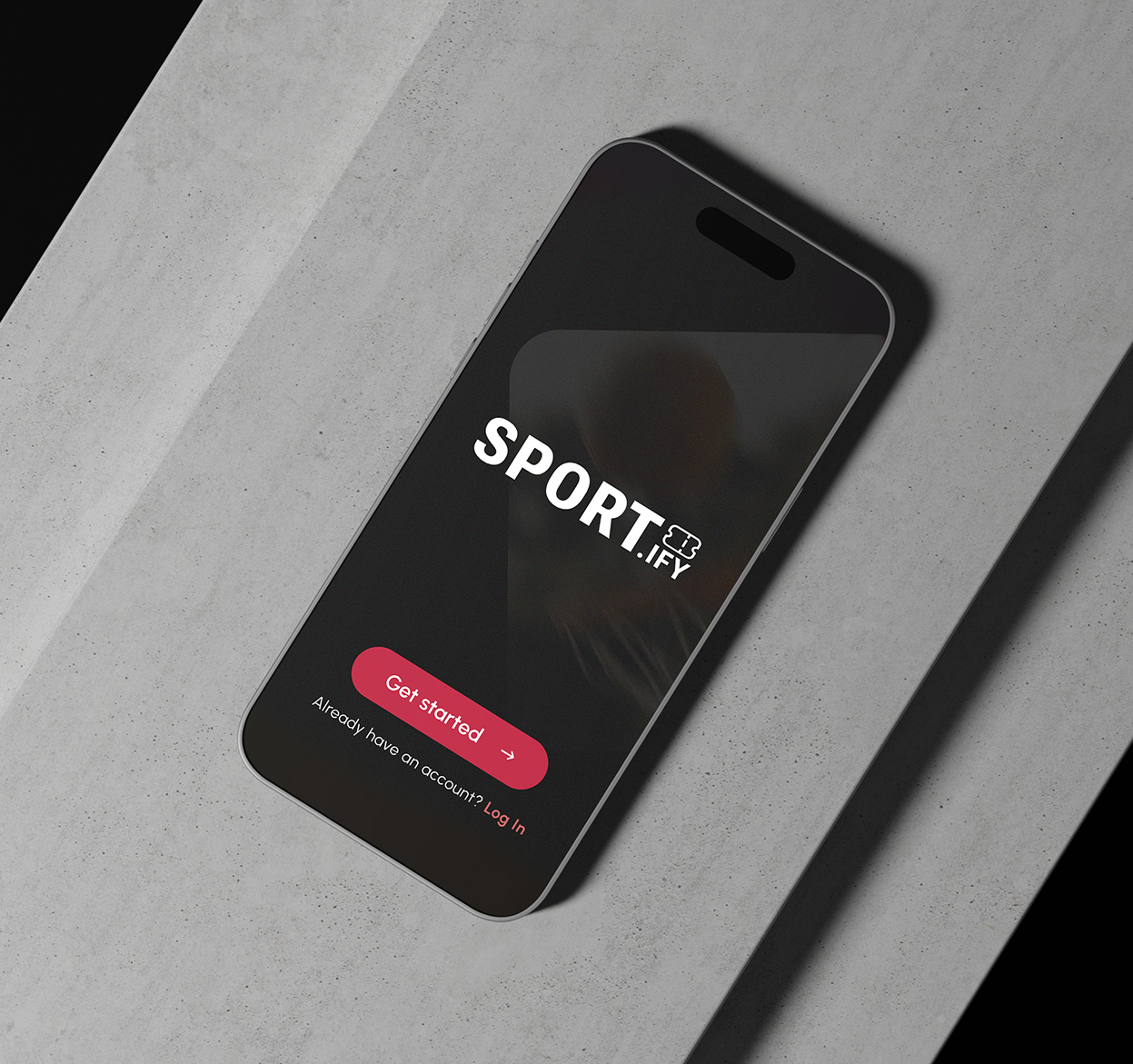
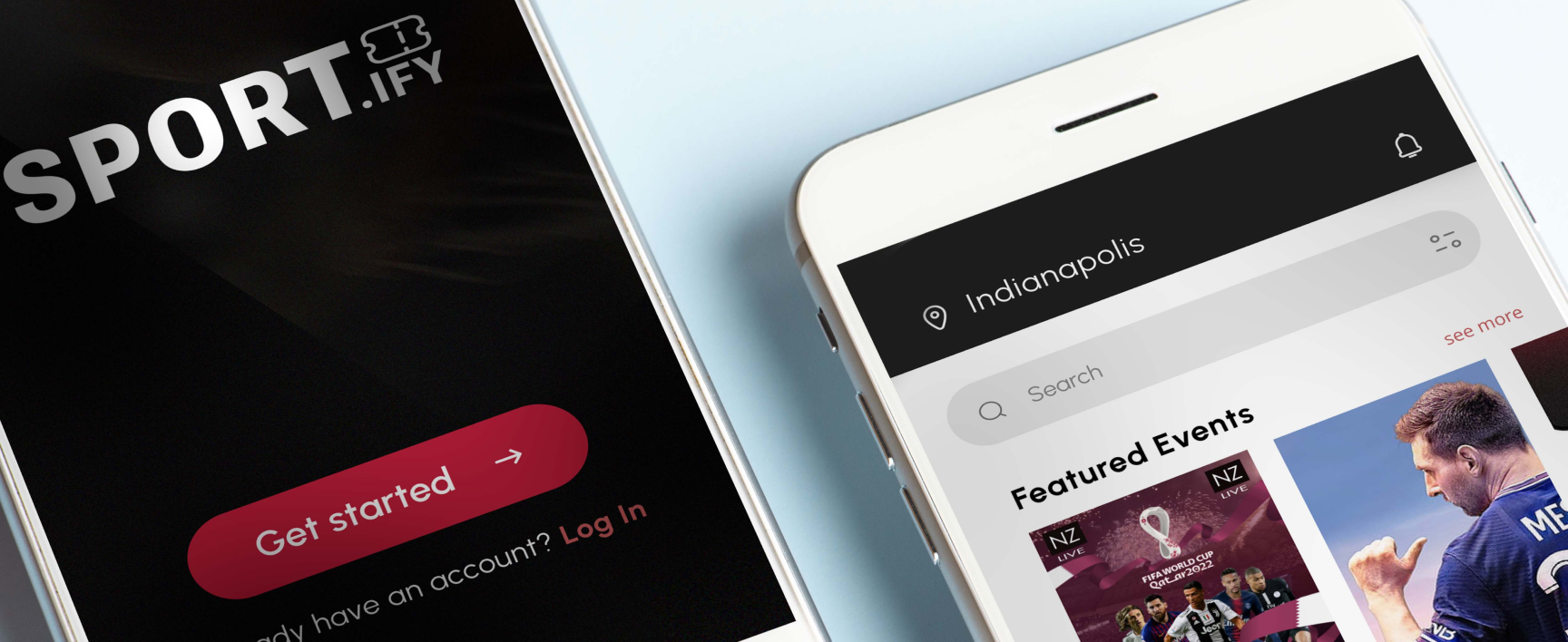
Sportify is a cohesive and holistic solution for fans that caters to both event participation and community engagement. Its a hassle-free platform that lets them look up events, know more about the events, and also book tickets for them. The platform also allows the users to be a part of interest-based communities, and help them find other people who support the same teams as they do and can attend games with them.
Worked with three other HCI graduate students as a part of a group project.
My contributions included brainstorming ideas, talking to users, creating visual designs, and testing the usability to improve the product.
We found the main pain points people experience when planning and executing their day offs while conducting primary and secondary research. While a few had difficulty finding people with similar interests to have a fun day, others encountered additional challenges, such as finding people with similar interests who abandoned the plan at the last minute.
Therefore, our problem statement was -
"How can we create one cohesive and comprehensive answer for the crowd that caters to both event participation and community engagement?"
We conducted a survey asking people about what they would prefer doing on a weekend or in their free time, and we got 145 replies in total. The survey was an online poll on Instagram where we asked everyone what their perfect weekend looked like. We selected Instagram for our survey because our target audience is people aged 18 to 35, and the majority of our Instagram friends are the same age. It was also the quickest and simplest method for us to get an accurate and personalized response from the users.
The majority preferred to attend a sporting event or a concert/fest, while a few others preferred to attend comedy shows or travel to places.

In addition to the above key findings, we went ahead and decided to conduct a competitor analysis of all the existing event-organizing websites to understand what they are lacking or what they are doing extremely well.
We came across five leading online platforms that people use to buy or sell tickets for various events, and also learn more about the events. All these platforms let the user either buy or sell or resell the tickets for various kinds of events. None of them foster community engagement within their space.

We explored the problem space even further. We conducted several brainstorming and user interview sessions, and gathered data from different perspectives. While researching how we can the process easier, more efficient, and better for users, we came across other such platforms which provide similar services and compared what works well and what doesn't. Our next step was to build a clear user journey map considering the user pain points and the potential solution to them.
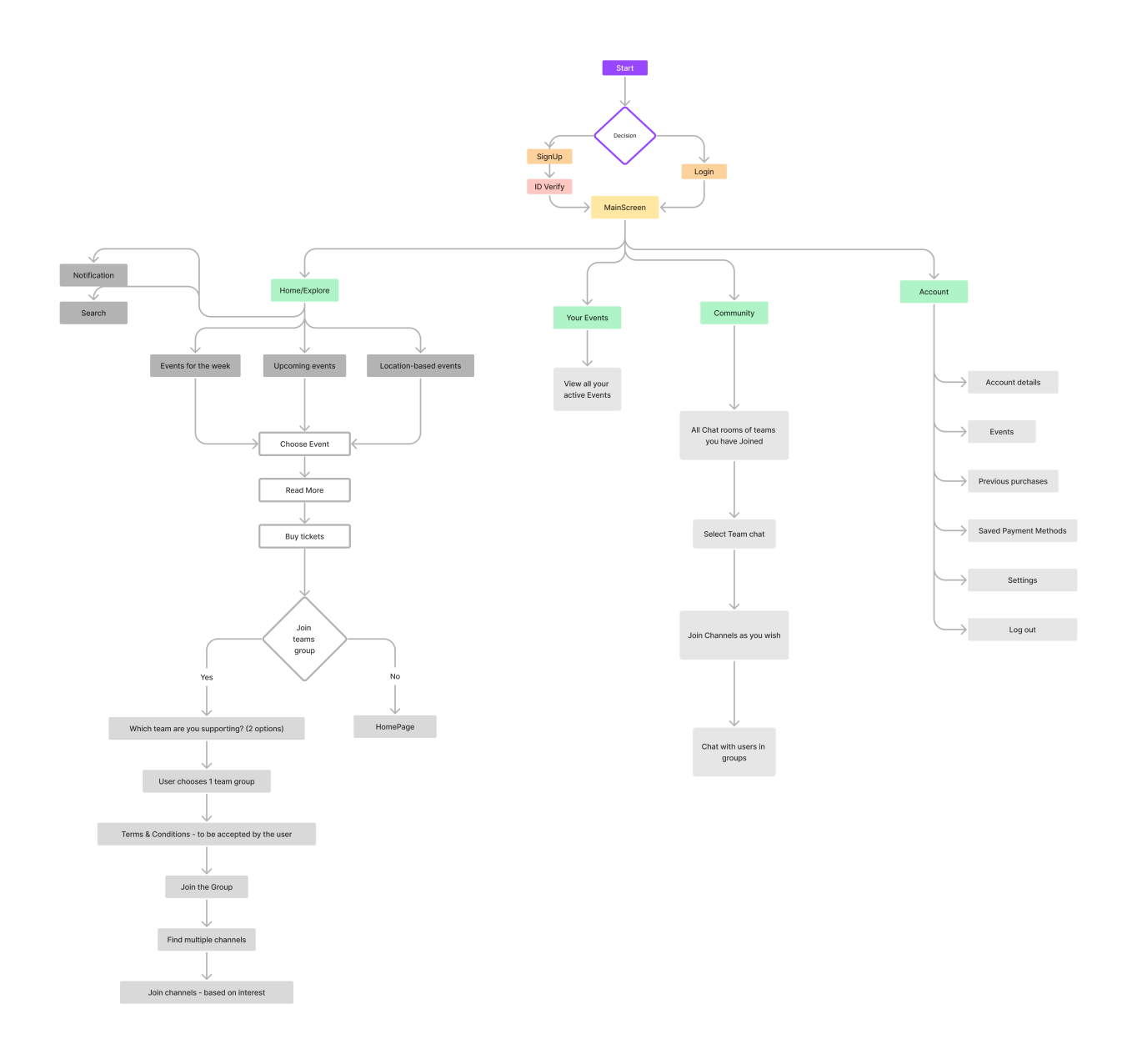
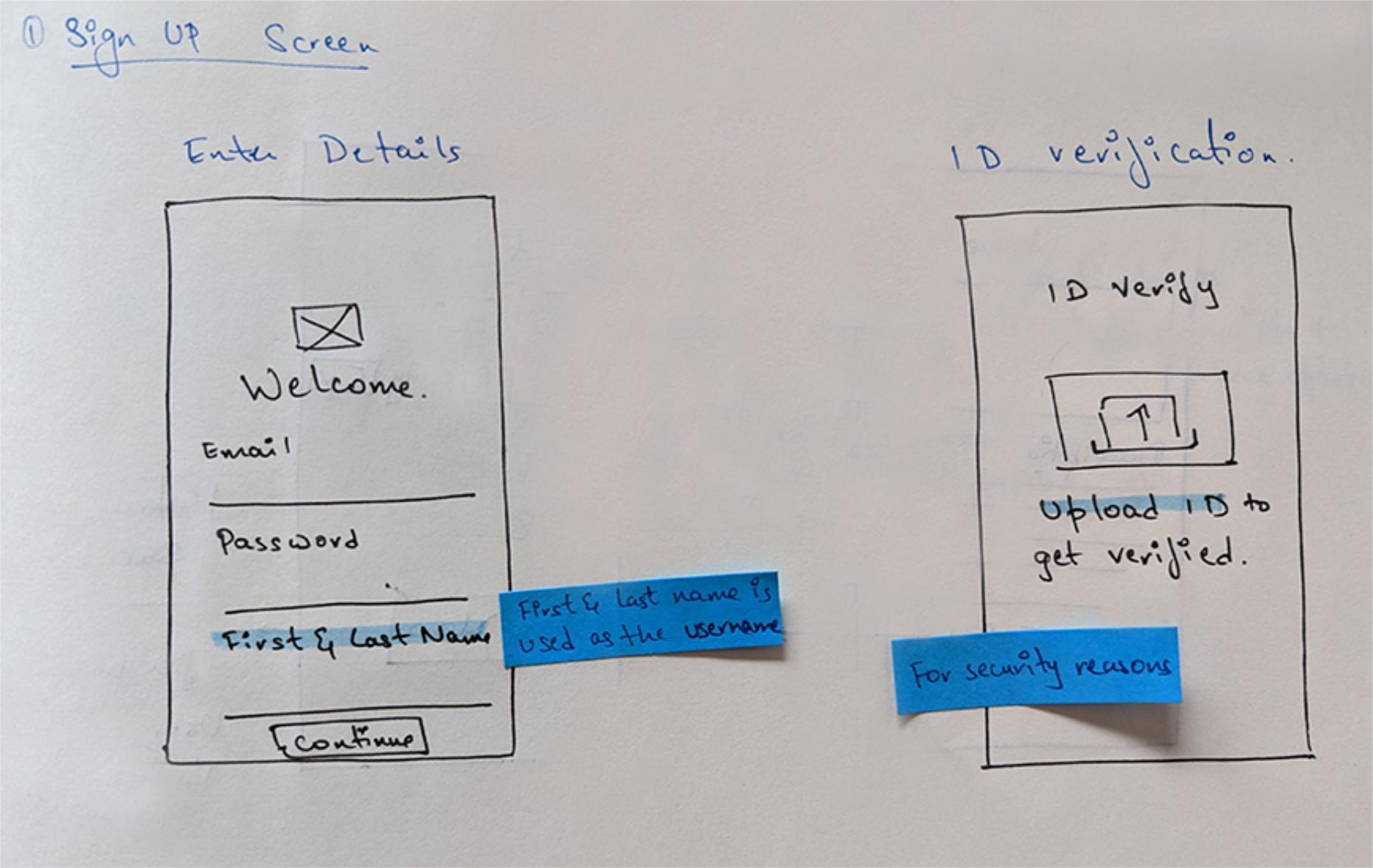
When the user flow was accurate, we sketched the screens covering the app's primary functions, which helped us visualize the user’s experience. Through the sketches, we realized that there are many different approaches and ways to reflect the idea of the app. We tried sketching chronologically, starting from the sign-up screen to the feature of joining the group. Flexibility and ease of use were our main priorities when sketching. Hence, we ensured the number of clicks a user takes to perform a functionality was minimal.
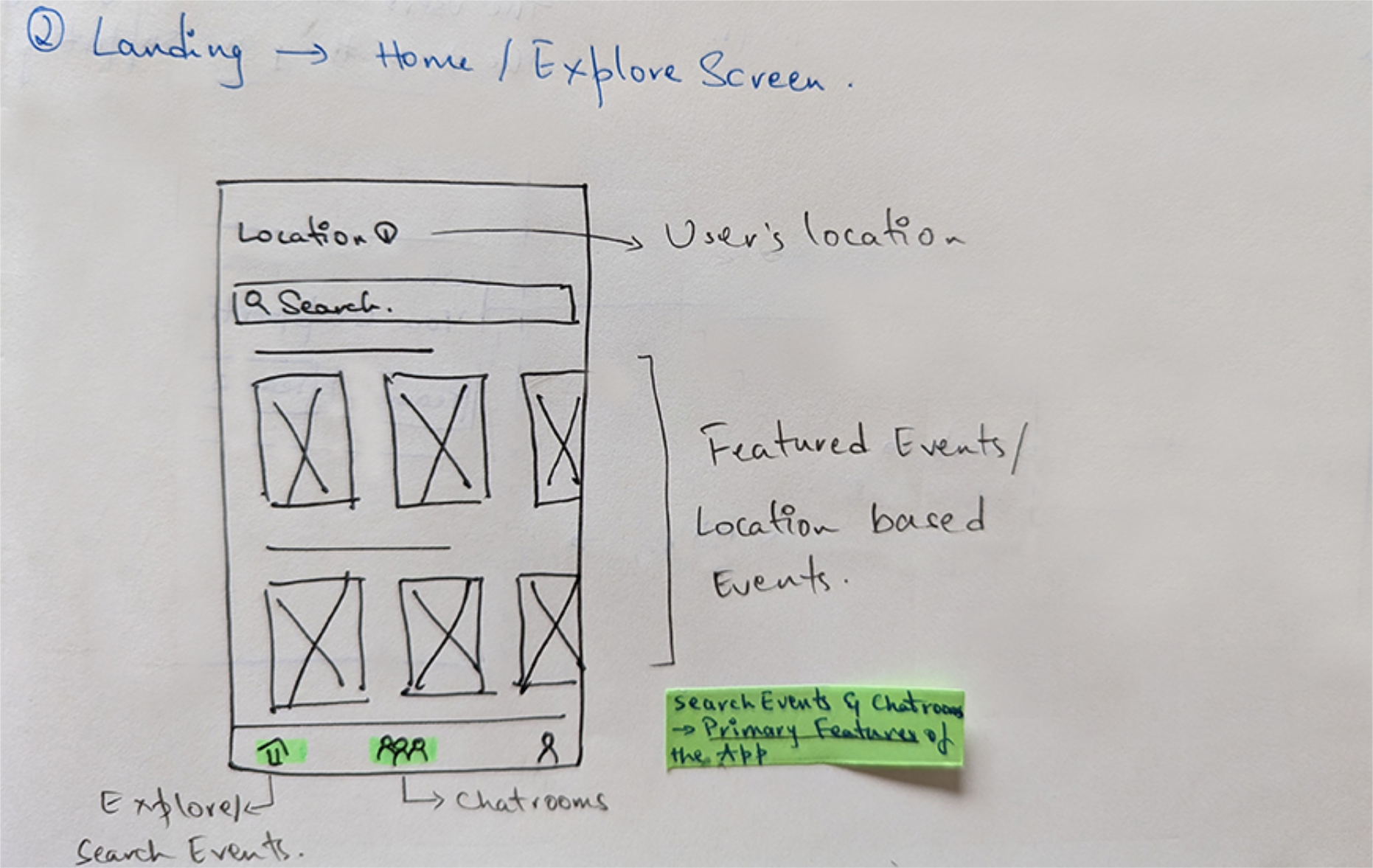
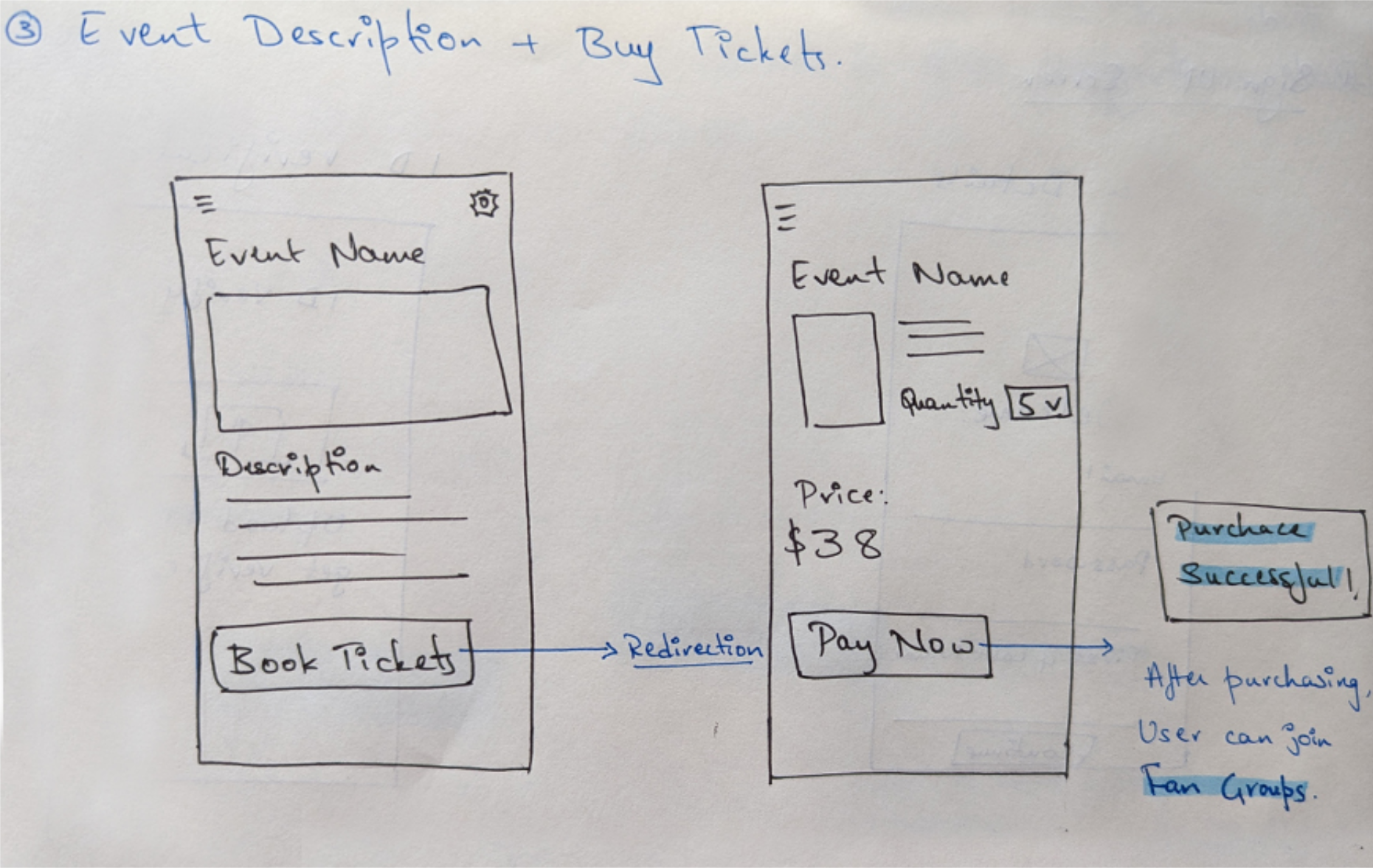
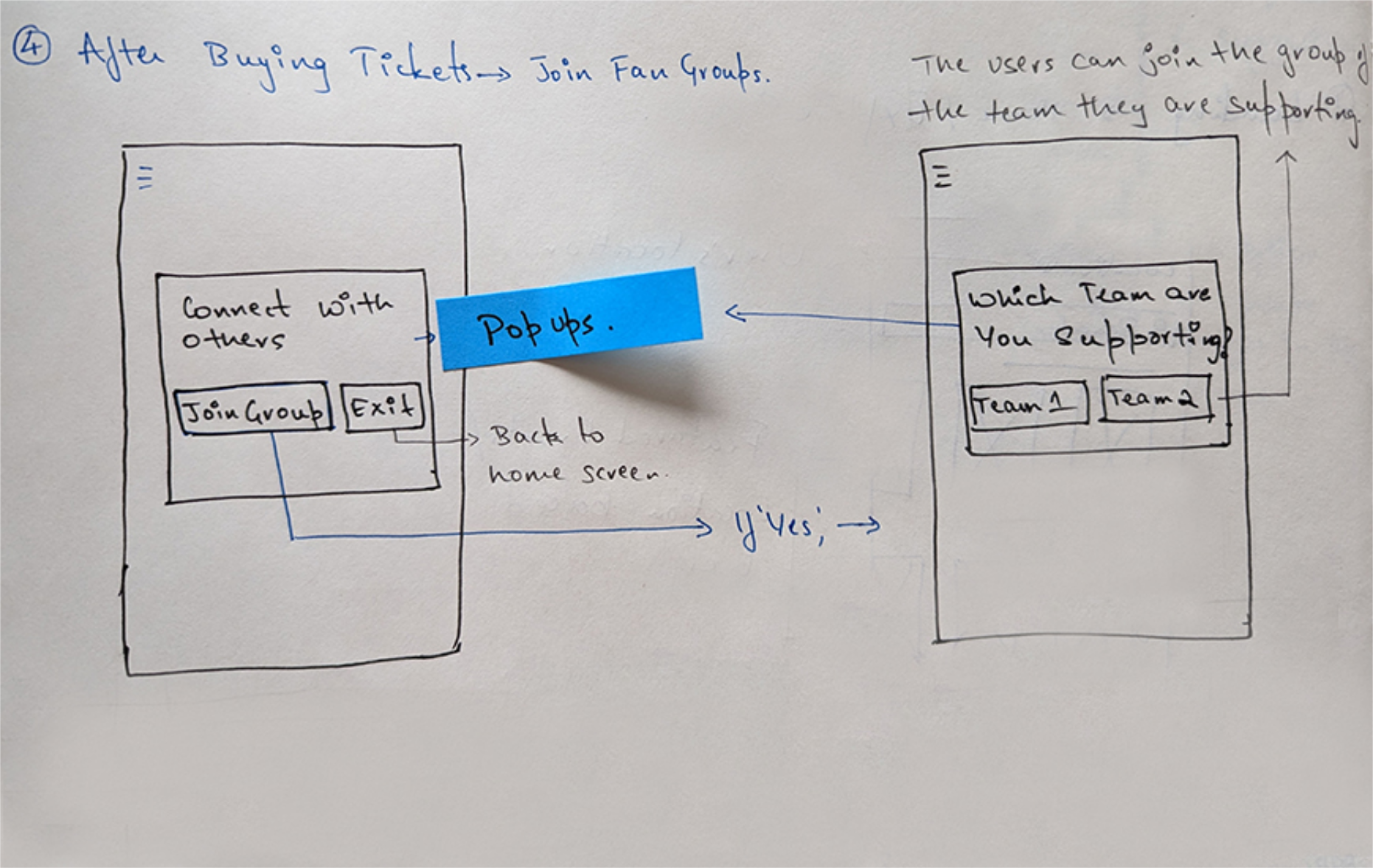
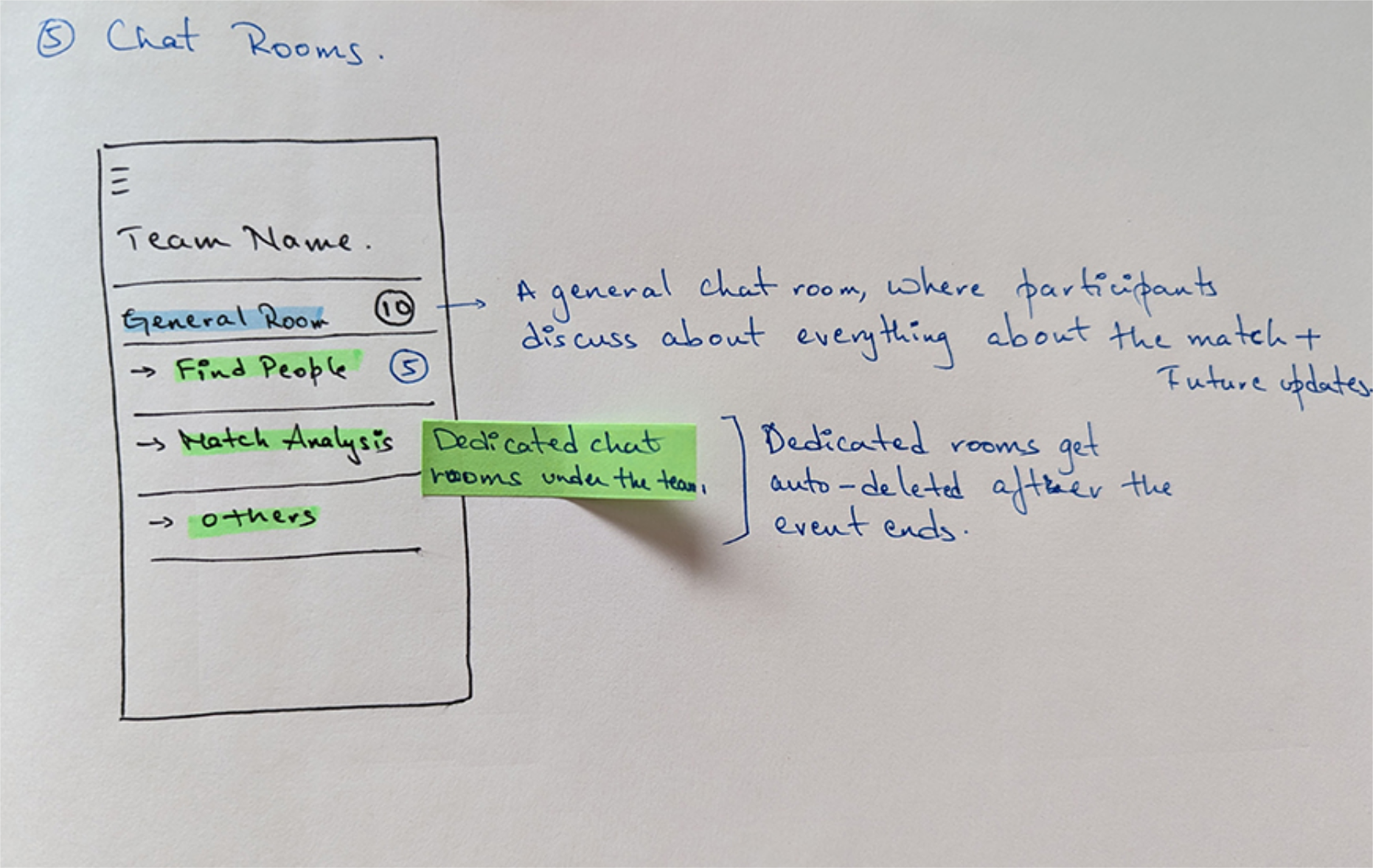
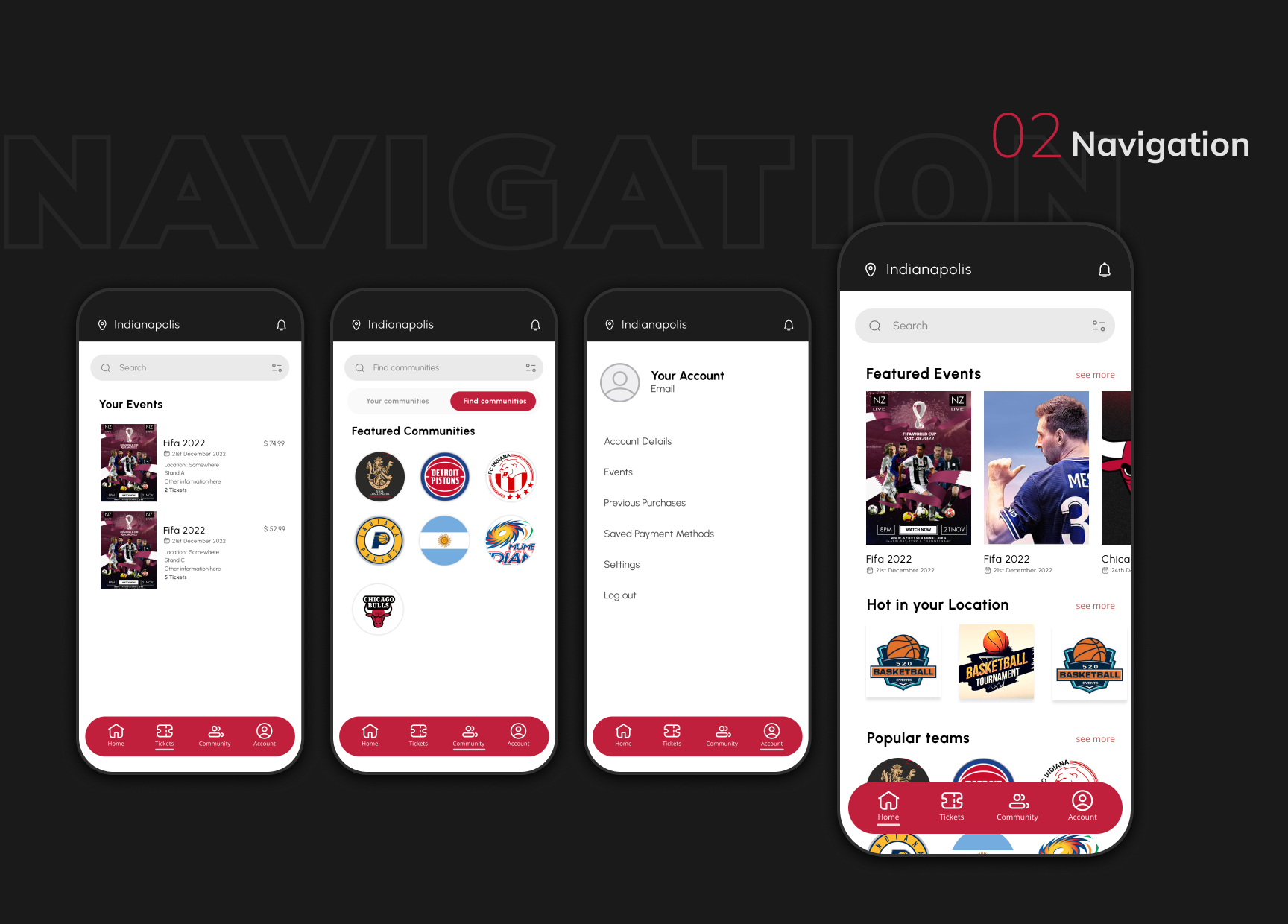
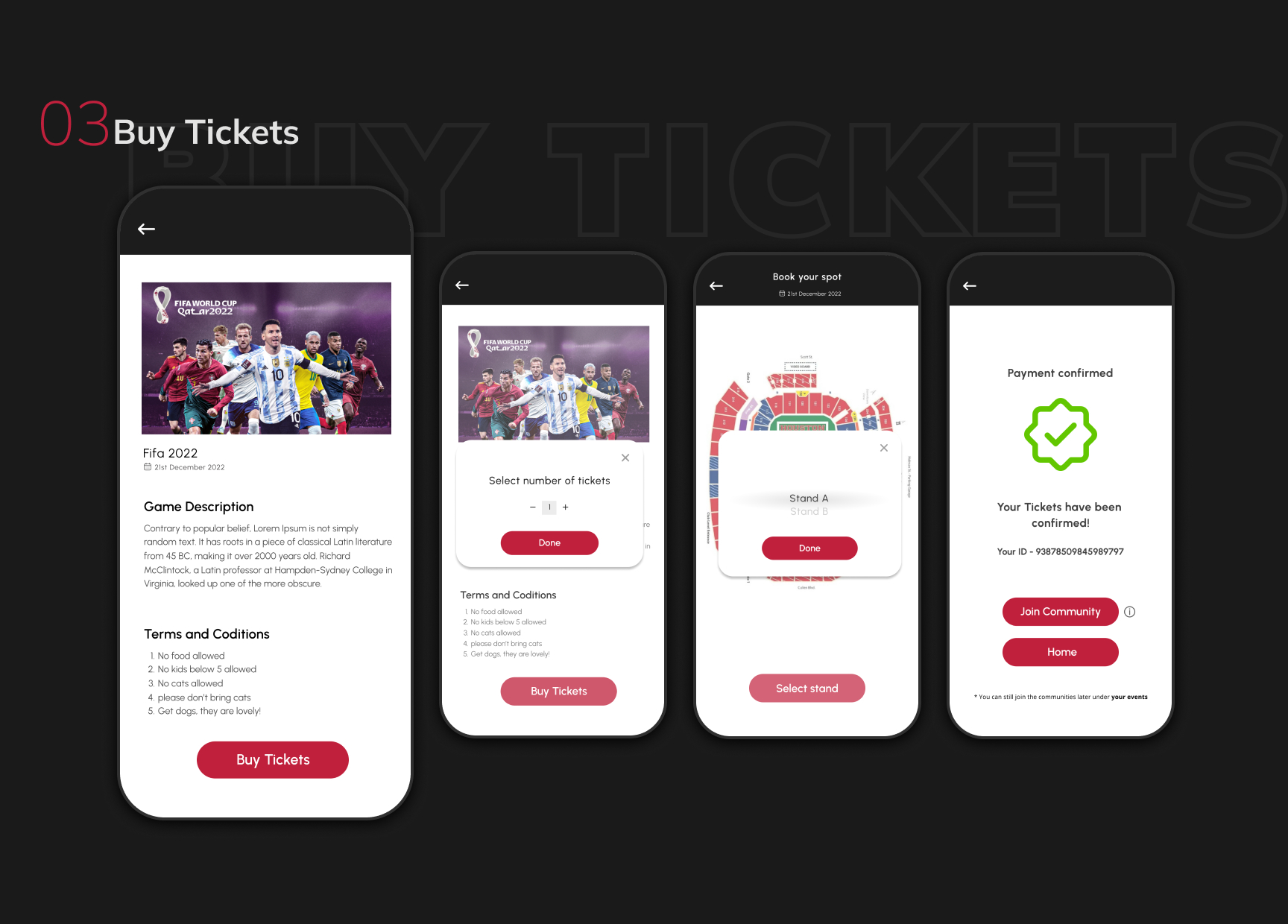
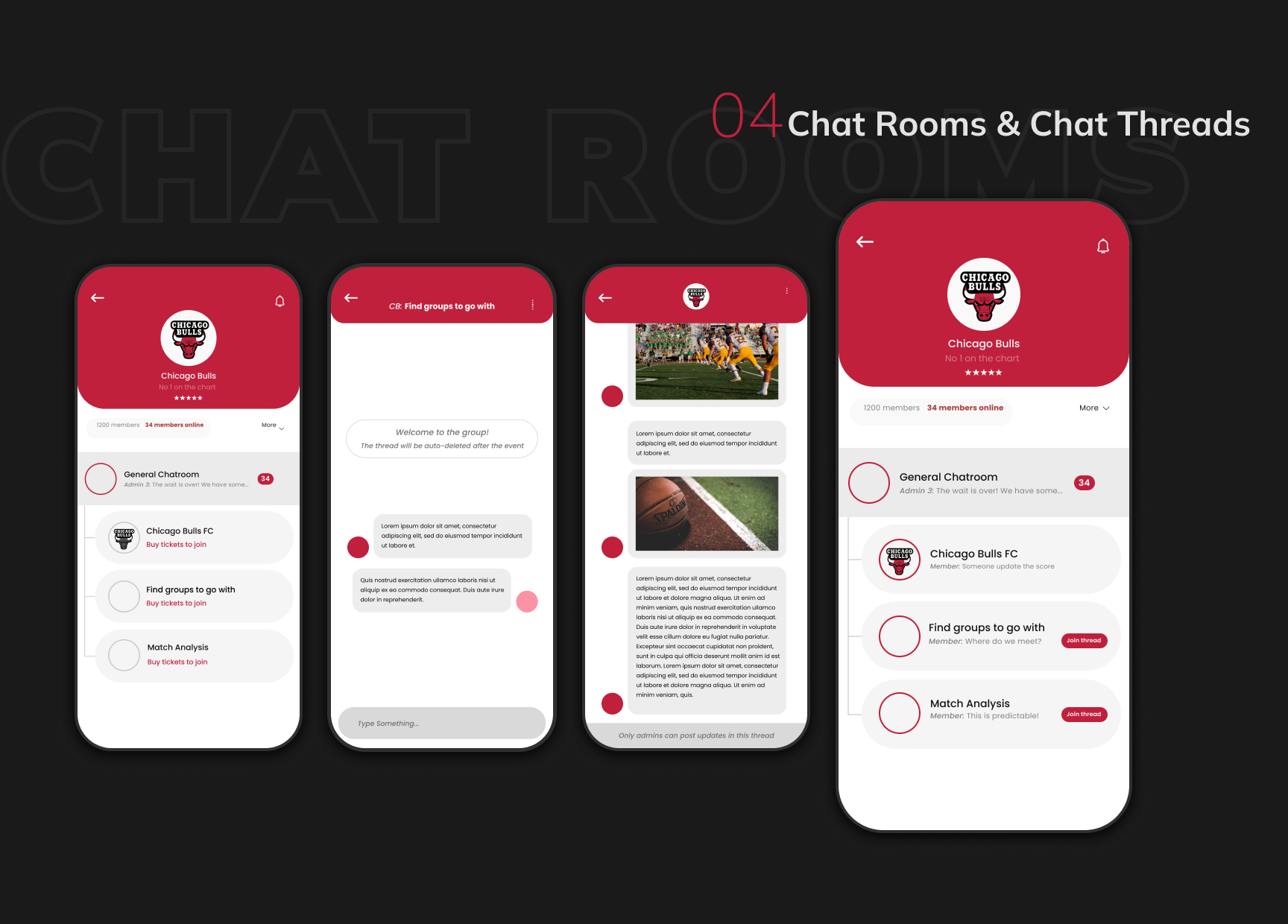
We could further use the sketches to improve the user flow, which helped us build the wireframe. Like all other ticketing platforms, our platform offers basic features like buying and selling features. Users get to join their favorite sports team and join a larger community. Each team gets its own channel with different chat threads for various purposes. The overall experience is meant to be seamless and hassle-free, and the user can decide how much of the app they want to use.
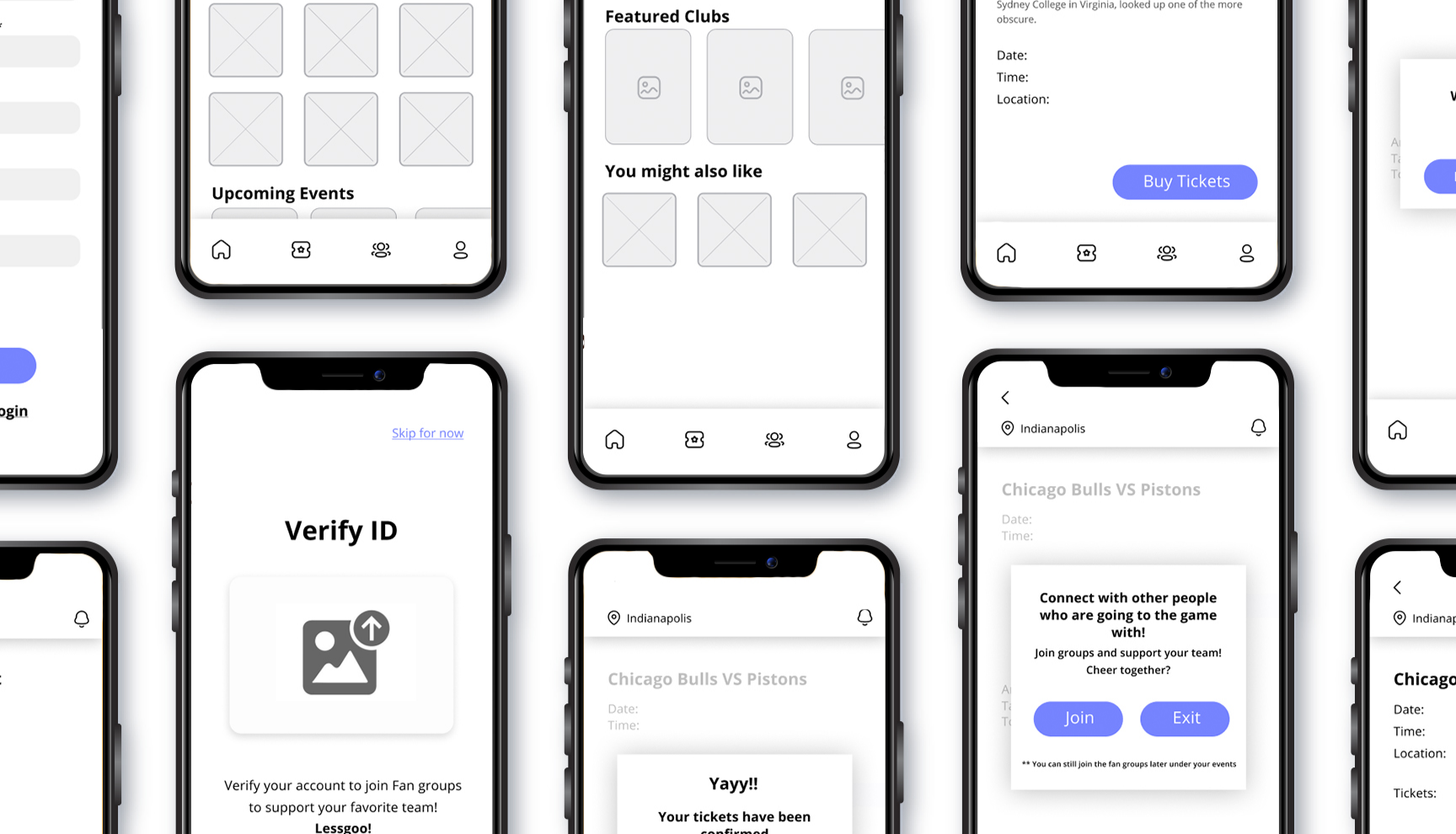
Furthermore, we created a high-fidelity prototype for our product as it enables us to showcase our design in a way that accurately reflects the final product and allows users to interact with it, providing valuable feedback and insights. Our application's primary objective is to establish a community among an existing group of users, specifically those who purchase sporting event tickets through our ticketing services.
Since users are already familiar with these features, the overall complexity of the application is reduced, and it becomes easier to use. Additionally, the app also serves as a promotional platform for event sponsors.
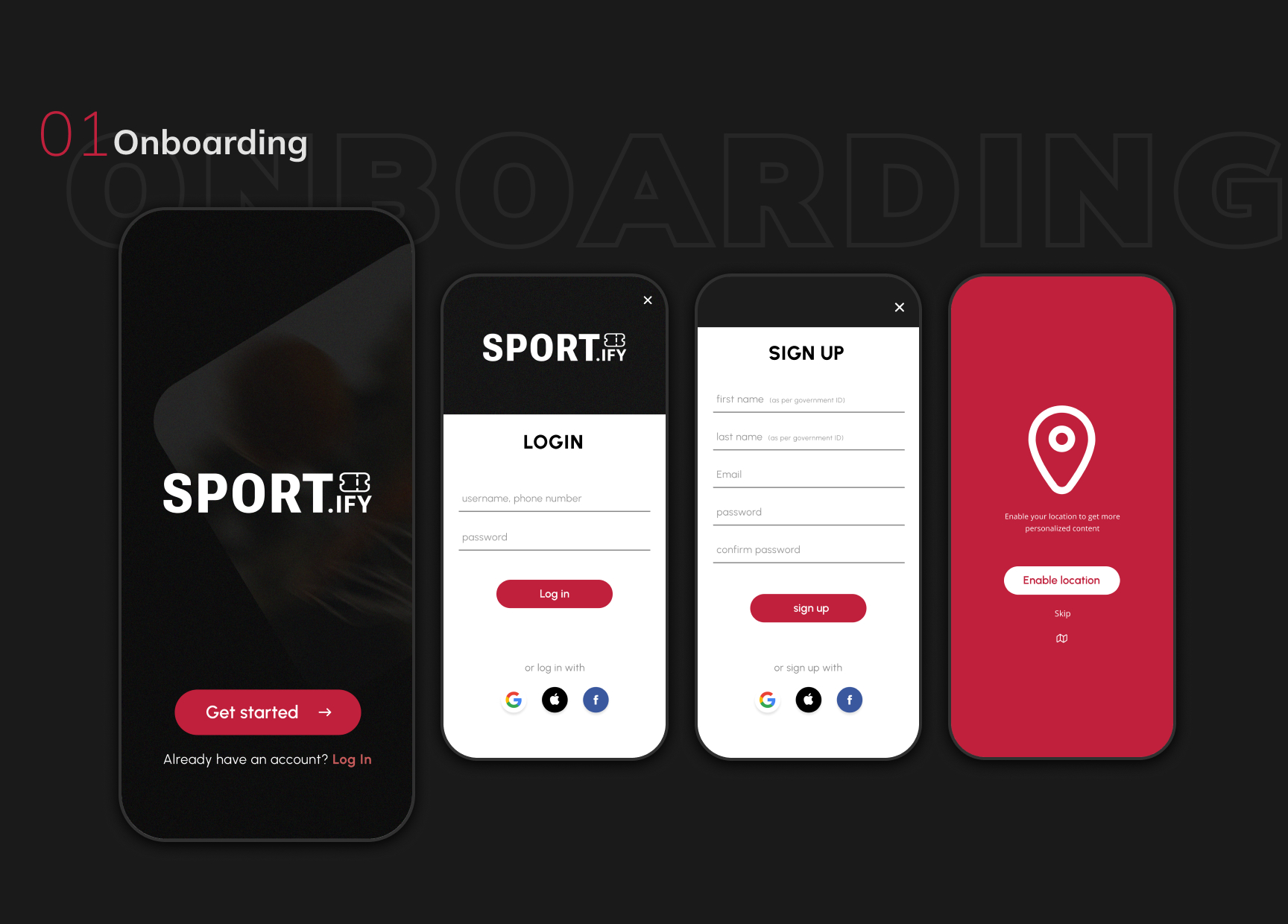
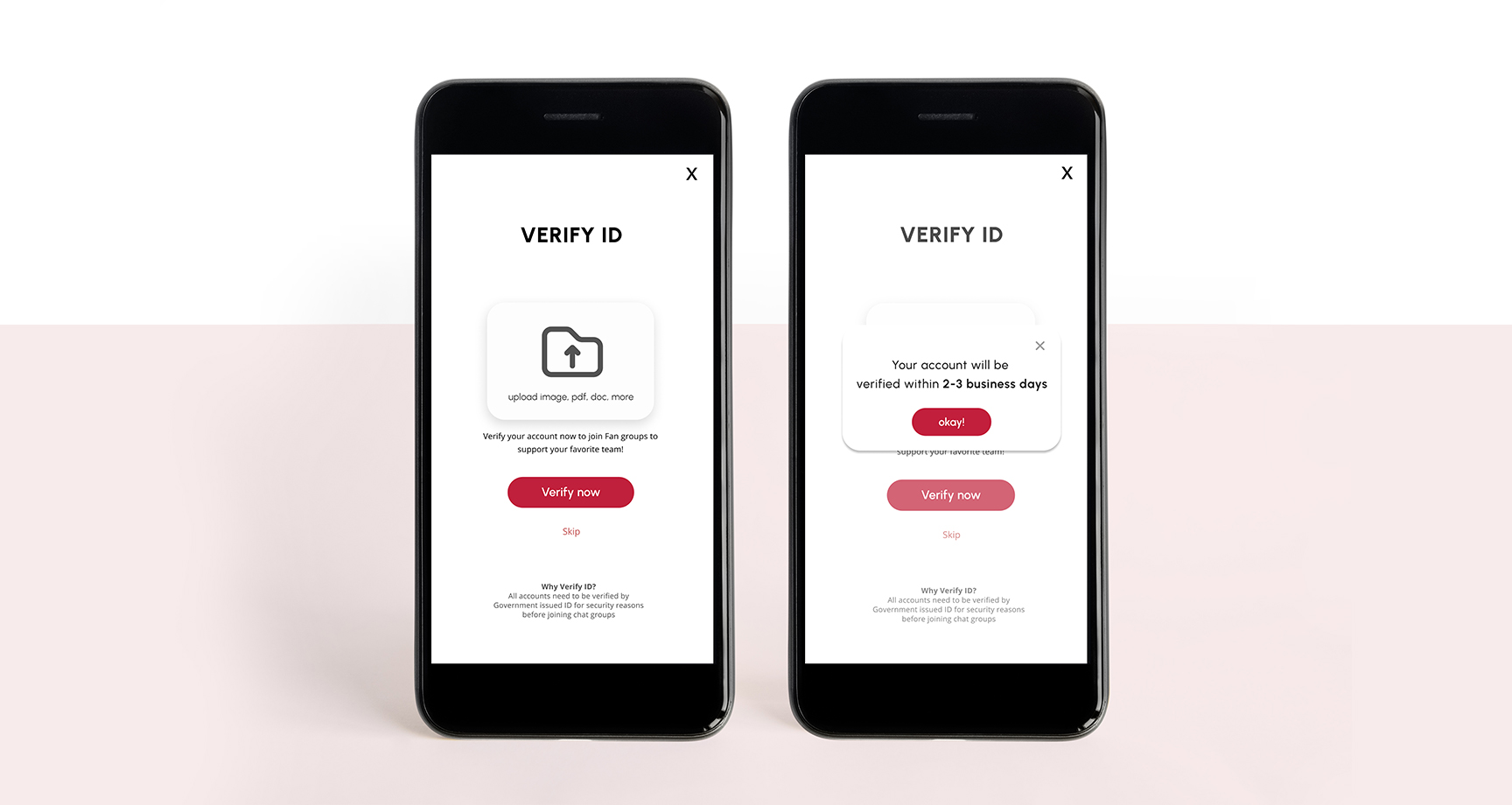
The app has a step of ID verification - the user is asked to upload their ID to obtain full access to the app. The reason for including this additional step is if the users verify their identity with their Government Issued ID, they will be marked as ‘Verified’ on their account, which gives the other users a sense of security.
Another advantage of having the ID verified within the app is that people need not carry their ID when they reach the venue as they are already verified.
With the help of the Heuristic Evaluation, we could conclude that the overall experience is seamless and easy for the user. However, there were a few major errors discovered, and it is crucial to address these errors and fix them, as they can greatly impact the usability of our product. To continue with the design process, we would continue researching and conducting more interviews and evaluations better to understand our proposed solution's positives and negatives.
We are eager to push beyond our present area in our future version 2 and explore other markets like music and tourism. By making purchasing concert and travel tickets more socially interactive through our app, we hope to make the process more socially interactive. We think that doing this would make our users' lives easier while also making it more enjoyable for them to buy tickets with their friends and family. We are committed to improving our app and can't wait to see how users react to these new features.